GRACE REINFORCES COMMITMENT TO WELL-BEING AND ORGANIZATIONAL HAPPINESS THROUGH EFR CERTIFICATION
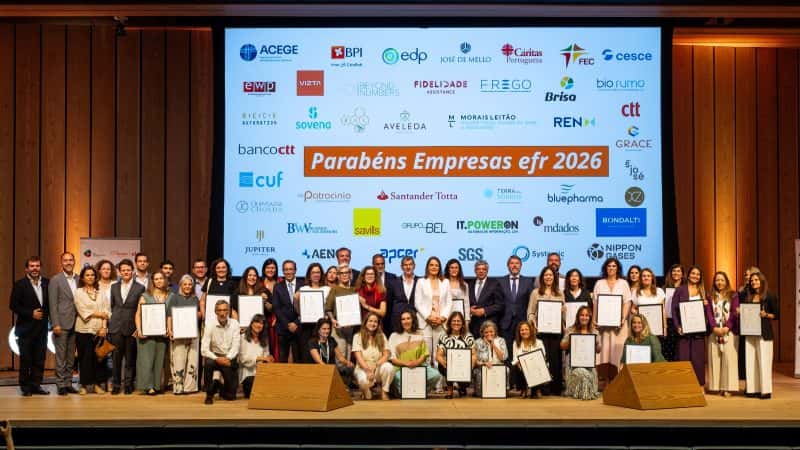
GRACE - Empresas Responsáveis recently received its efr - empresa familiarmente responsável certificate at a ceremony organized by ACEGE - Associação Cristã de Empresários e Gestores. This distinction recognizes the practices that the organization has been developing to promote a balance between the professional, personal and family lives of its staff.
As an efr certified entity, GRACE recognizes the importance of implementing organizational practices that promote the reconciliation of professional, personal and family life, contributing to the well-being of teams and to a more positive, inclusive and sustainable organizational culture.
In a context marked by profound changes in the world of work, it is becoming increasingly clear that the well-being of employees depends not only on physical working conditions, but also on the ability of organizations to create more flexible, empathetic cultures that are adjusted to people's different realities.
Reconciliation measures can take different forms: flexible working hours, hybrid working models, parenting support policies, wellness days, mental health programs, incentives for corporate volunteering, support for informal caregivers or more humane and approachable leadership practices. More than isolated benefits, these measures represent an integrated vision of people management, which recognizes that employees have different needs, challenges and life stages.
When organizations promote this flexibility and create space for a better work-life balance, they contribute directly to organizational happiness. People who feel respected, listened to and supported tend to have higher levels of motivation, engagement, a sense of belonging and trust in the organization. At the same time, healthier working environments favor talent retention, reduce absenteeism and strengthen teams' capacity for innovation and collaboration.
Organizational happiness does not mean the absence of challenges, but rather the construction of work contexts where there is psychological security, purpose, recognition and quality in human relations. In this sense, investing in well-being is no longer just a trend or a reputational measure, but a strategic priority for more sustainable and resilient organizations.
At GRACE, we believe that the social responsibility of organizations also starts with the way they take care of their people. Promoting organizational cultures that are more humane, balanced and focused on well-being is essential to building more responsible companies and a more sustainable society.




